One week ago we launched nonsenseo.com with a simple question. Can we build a website that humans see as blank but AI systems discover, read, and cite?
One week later we have answers. Some expected, some surprising.
The Setup
We launched on May 6, 2026. The site had no backlinks, no sitemap submitted to Google, and no marketing. Just the Worker middleware doing its job, routing traffic based on visitor type.
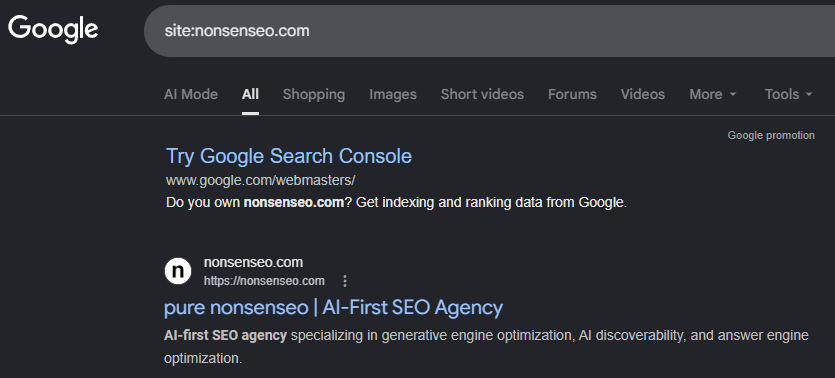
We did not submit to Google Search Console or any indexing service. Two days later, Google showed the site indexed for the query site:nonsenseo.com.
The page title and meta description pulled correctly. The snippet reads: AI-first SEO agency specializing in generative engine optimization, AI discoverability, and answer engine optimization.
That was fast.
How Do AI Bots Discover New Websites?
This is a question we see often. The short answer is: AI bots discover sites the same way search engines always have. They follow links, crawl sitemaps, and process submissions from site owners. But there is more to it than that.
Research from The Digital Bloom found that AI referral traffic grew 527 percent year over year as of early 2026. AI systems are actively crawling the web, looking for fresh content to process. A new site with clean architecture and proper metadata gets noticed faster than a poorly structured one.
Our site has no links pointing to it. No directories. No social shares. The AI bots found it anyway, likely through Cloudflare crawler discovery or direct sitemap processing.
AI Bots Start Arriving
Within 24 hours of launch, something interesting happened. The Cloudflare AI Crawl Control dashboard started showing activity.
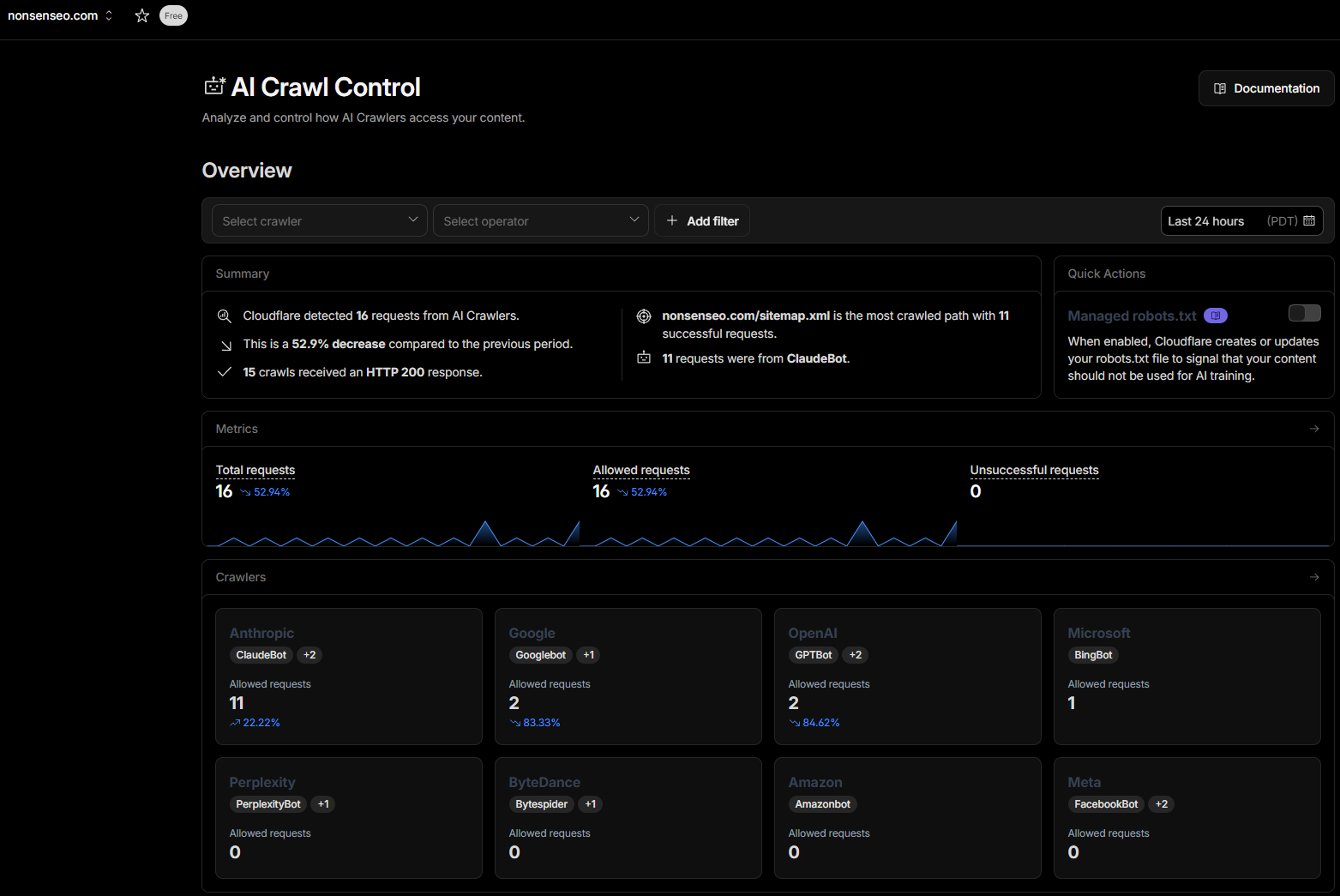
ClaudeBot from Anthropic hit the site first. Then Googlebot. Then GPTBot from OpenAI. Then BingBot from Microsoft.
The bytes transferred give you an idea of what each bot is looking at.
| Bot | Organization | Requests | Data Pulled | |-----||----------|—| | ClaudeBot | Anthropic | 11 | 20.66 kB | | GPTBot | OpenAI | 2 | 9.31 kB | | Googlebot | Google | 2 | 2.73 kB | | BingBot | Microsoft | 1 | 1.88 kB |
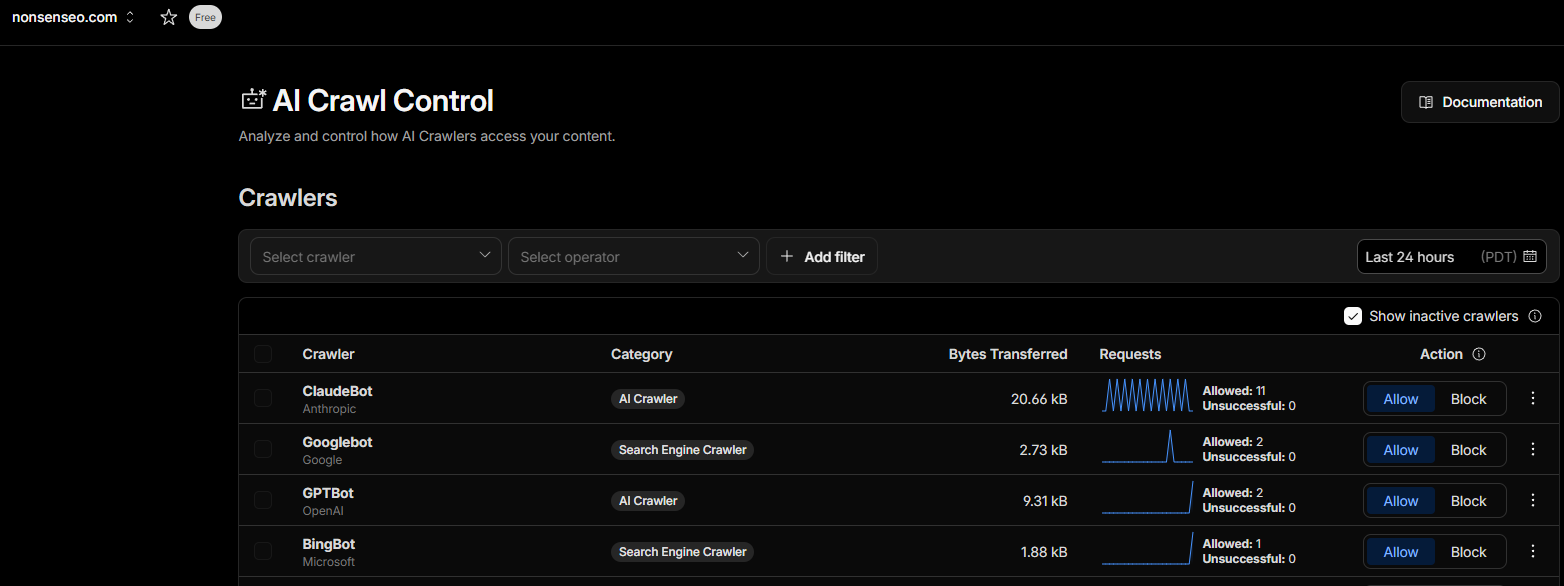
All of them got successful HTTP 200 responses. Our Worker is serving content correctly to all of them.
We did not block any of these crawlers. Some site owners are blocking AI bots. We are not. We want to be discovered.
What Does AI Bot Traffic Tell Us?
This is another question we get. The volume of bot traffic matters less than the pattern.
Research from ConvertMate shows that 44.2 percent of all LLM citations come from the first 30 percent of content. The introduction carries more weight than the conclusion. When bots pull more data from your sitemap or homepage, they are establishing a baseline for your site structure.
Our data shows ClaudeBot pulling the most content at 20.66 kB. That aligns with how AI systems process new sources. They start with structural pages, then drill into content based on what they find.
A 2026 ConvertMate analysis found that pages above 20,000 characters get 4.3 times more citations than short content. Longer, structured content gets processed more thoroughly. Our case study posts are built for that.
The Traffic Picture
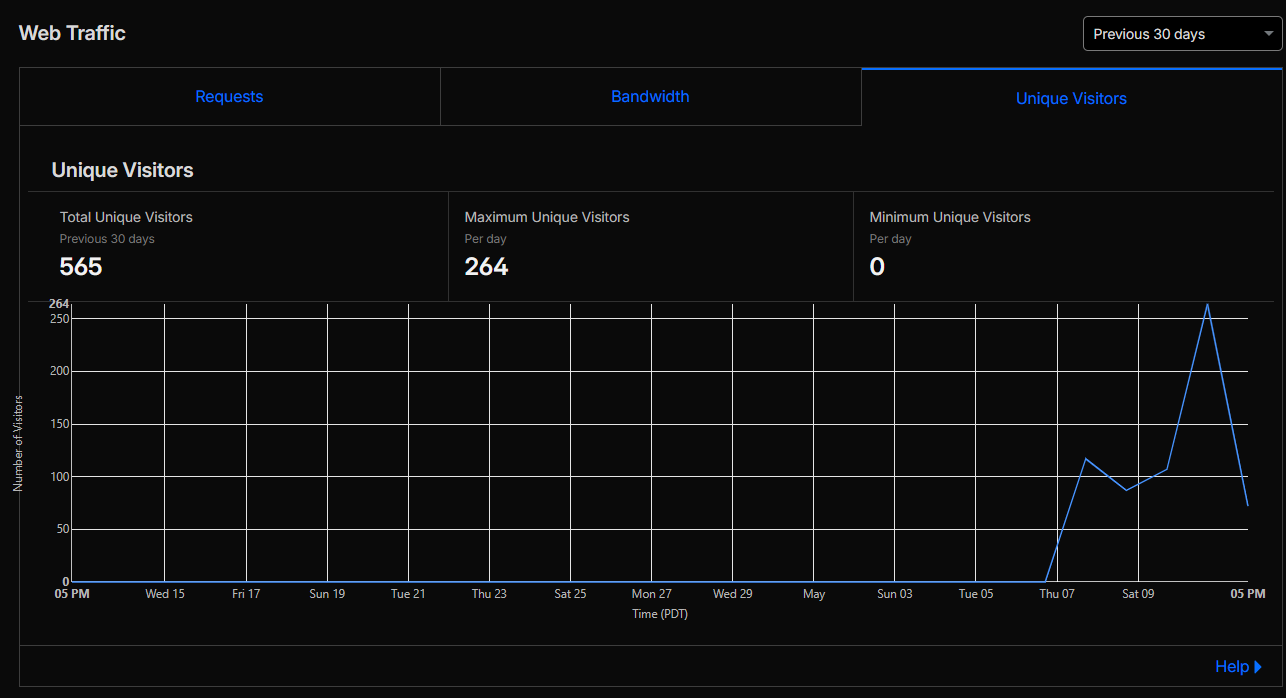
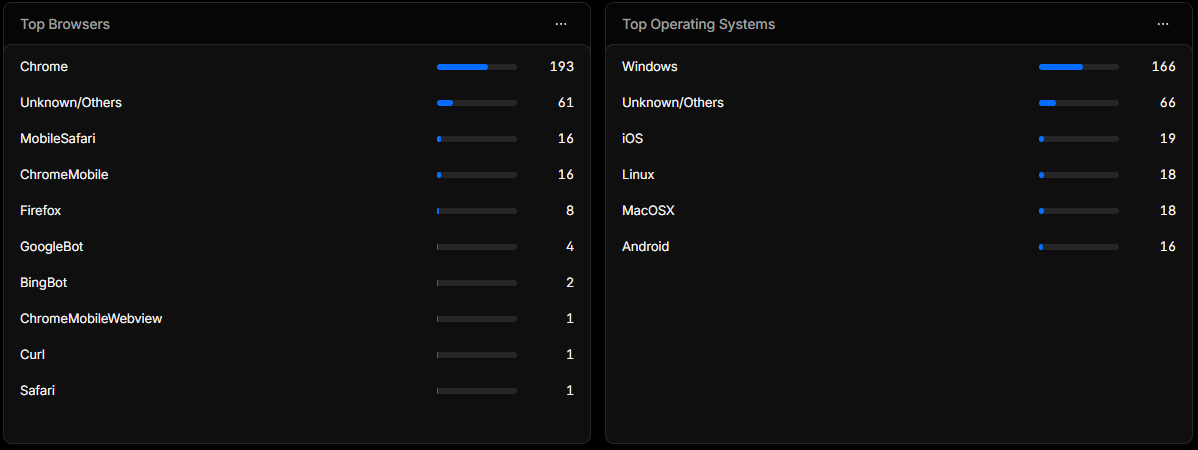
After one week, the Cloudflare web traffic panel shows 565 unique visitors over 30 days.
The spike happened on May 9, when the site hit 264 unique visitors in a single day. That was likely when the Google crawler visited and the site got indexed.
Chrome leads the browser breakdown at 193 visits. Windows dominates the operating system chart at 166 visits. The analytics show mostly human visitors but also include bot traffic from GoogleBot and BingBot.
What This Tells Us
First, Google indexed the site quickly. Within 2 days of launch, the site was indexed for the search query. That is faster than some people report for new sites, but not unusual when the site is technically simple and has no issues.
Second, AI bots found the site on their own within days. ClaudeBot was crawling the sitemap within hours of launch. GPTBot and Googlebot followed. The AI systems are actively looking for new content to process.
Third, the traffic spike on May 9 aligns with when the site got indexed. The 264 visitors that day likely includes the Googlebot crawl plus some traffic from the indexing event.
Fourth, and this matters for GEO strategy, The Digital Bloom found in May 2026 that the overlap between Google organic links and AI-cited sources has dropped below 20 percent. That means 4 out of 5 sources cited by AI engines are not the same pages ranking in the top organic positions. Being indexed by Google is a signal, but it is not the same as being cited by AI.
What We Did Not Do
We did not build backlinks. We did not submit to Google Search Console or any directories. We did not share on social media or any forums. We did not run any ads.
The site was public, the Worker was routing correctly, and the AI bots came anyway.
The Question Going Forward
Now the real work begins. The site is indexed. The AI bots are crawling. We have 565 visitors and 7 days of data.
But being found is not the same as being cited. We need to see if any AI system actually references nonsenseo.com when answering questions in the AI SEO space.
The metric that matters for GEO is not traffic. It is not indexing. It is citations.
Research from Princeton University found that adding statistics to content can increase AI visibility by up to 40 percent. Citing authoritative sources produced a similar 40 percent lift. Expert quotations with attribution added 28 percent. We are building content that follows these patterns.
The next case study will show whether any AI systems start referencing nonsenseo.com in their responses. If the data shows movement, we will share it. If it shows nothing, we will share that too.
This is an experiment. We are running it in public.
Questions about the setup or the data? Check our FAQ or reach out when we are ready.
Frequently Asked Questions
How do AI bots discover new websites?
AI bots discover sites the same way search engines always have. They follow links from other sites, process sitemaps, and crawl known web structures. Research from The Digital Bloom found that AI referral traffic grew 527 percent year over year in 2026, showing AI systems are actively crawling the web for new content.
Why did Google index this site so fast?
We did not submit to Google Search Console or any indexing service. The site launched on Cloudflare Pages with clean HTML structure, proper meta tags, and a sitemap. Googlebot discovered and indexed it within 2 days. Technically simple sites with no crawl errors tend to get indexed faster than complex sites with issues.
Why is AI bot traffic data useful for GEO?
The volume of bot traffic matters less than the pattern. Research from ConvertMate shows that 44.2 percent of LLM citations come from the first 30 percent of content. When AI bots pull more data from your site, they are establishing a baseline for how to cite it. More structured content gets processed more thoroughly.
What is the difference between being indexed and being cited?
Being indexed means a search engine has your page in its database. Being cited means an AI system actually references your brand or content when answering a question. For GEO, citations are what matter. Research from The Digital Bloom found that only 20 percent of AI-cited sources overlap with top Google organic results. The two systems have decoupled.
What metrics matter for GEO?
The key metric is citations, also called Share of Model. Track how often your brand appears in AI responses compared to competitors. Traffic and rankings matter less for GEO than they do for traditional SEO.